Water Damage Restoration Cedar Park, TX
Slab leak, attic AC overflow or Brushy Creek runoff at the door? The restoration team extracts standing water, dries the structure to the IICRC S500 standard and documents every step for your insurance claim.
(888) 926-4485Water on the slab? Speak with 24/7 dispatch- IICRC S500 drying standard
- Truck-mounted extraction
- Daily moisture readings
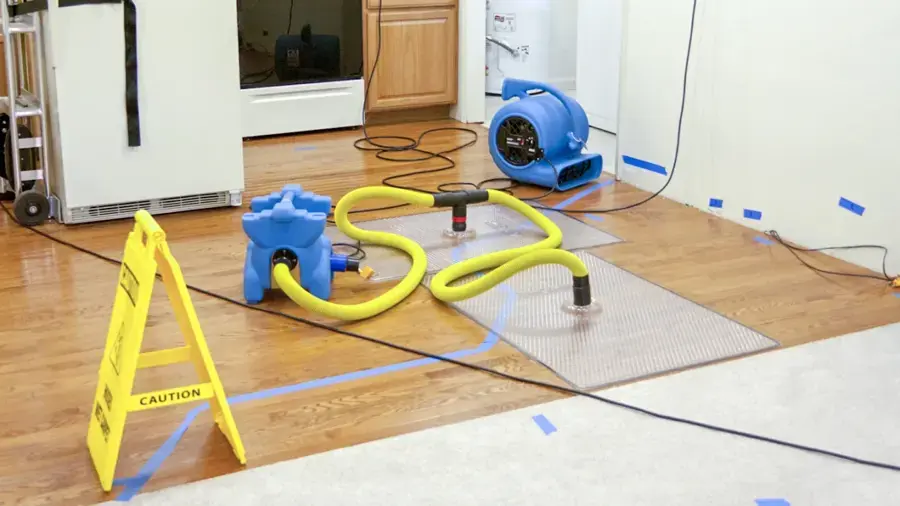
Water Damage Restoration Services in Cedar Park, TX
From a pinhole slab leak to a creek over its banks, each service covers one kind of water loss.
 Slab foundationsSlab Leak Water DamageA pressurized line leaking under the foundation, found, stopped and dried from the slab up.View service
 Brushy Creek stormsFlash Flood CleanupBrushy Creek and Buttercup Creek overflow treated as Category 3, removed and dried.View service
 Water ExtractionTruck-mounted extraction that pulls standing water out of the house first.View service
 Foundation Seepage CleanupStorm runoff creeping in at the slab edge and under the bottom plates.View service
 Burst Pipe CleanupA split supply line inside a wall or ceiling, extracted and dried in the cavity.View service
 Frozen Pipe CleanupAttic and exterior-wall pipes caught by a Central Texas hard freeze.View service
 Water Heater Leak CleanupAttic and garage tanks that let go, with the ceiling or slab soaked below.View service
 AC Condensate Leak Water DamageClogged drain lines and full attic pans dripping through the ceiling.View service
 Roof Leak Water DamageHail and wind-driven rain through shingles, flashing and attic decking.View service
 Ceiling Leak Water DamageUpstairs bathroom and plumbing leaks that soak drywall and insulation.View service
 Appliance Supply Line Leak CleanupWasher hoses, ice maker lines and dishwasher connections that fail.View service
 Structural DryingFraming, cavities and slab surfaces dried to a verified reading.View service
 Sewage Backup CleanupCategory 3 backups contained, removed and treated by crews in full PPE.View service
 Commercial Water DamageOffices and storefronts along 183A, Lakeline and Whitestone dried with minimal downtime.View service
Slab leaks under Cedar Park foundations
Most Cedar Park homes sit on a slab over limestone and clay, with supply lines under it. When one fails, water comes up through the flooring and along the baseboards.
- A warm spot on tile, or a damp floor with no spill nearby
- The water meter keeps moving with every fixture turned off
- Swollen baseboards or a wet tack strip along one wall
- The sound of running water when nothing is on
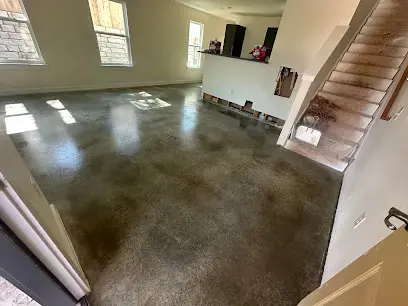
Water damage dried to the IICRC S500 standard
IICRC S500 is the industry drying standard: a finished dry-out is measured, not judged by touch.
Moisture mapping
The tech who does the walkthrough maps wet materials with pinless meters and thermal imaging before any equipment goes down.
Truck-mounted extraction
The extraction crew removes standing water so it leaves the house instead of soaking into the next room.
Air movers and LGR dehumidifiers
The drying team sizes equipment to the evaporation load, adding desiccants for dense Class 4 materials like hardwood.
Dry verification
Equipment comes out once wet materials read within 2 to 4 points of a dry reference material in the same house.
- IICRC S500 drying standard
- Truck-mounted extraction
- Daily moisture readings
- Structural drying, not just surface
What does water damage restoration cost in Cedar Park, TX?
In Cedar Park, TX, water damage restoration typically runs $1,200 to $9,500 or more. The drivers are the water category, the square footage that got wet, the material class and how fast drying started.
Contained clean-water leak
$1,200 to $3,500- One room or a hallway
- Category 1 supply line water
- Extraction plus 3 to 4 days of drying
Multi-room or slab-level loss
$3,500 to $7,000- Slab or attic leak reaching several rooms
- Baseboards and some drywall removed
- Daily moisture logs for the claim
Flood or sewage (Category 3)
$7,000 to $9,500+- Brushy Creek runoff or a sewer backup
- Porous materials removed, not dried
- Containment and antimicrobial
These are typical ranges, not a quote. Run the water damage cost calculator for a planning number, then talk the loss through with a pro.
All water damage categories covered in Cedar Park, TX
Category 1, 2 and 3 water are handled differently, and flash flood water that crosses a yard is Category 3 the moment it comes inside.
Category 1, clean water
From a supply line, a slab leak or a water heater. The extraction crew removes it before it sits long enough to degrade.
Category 2, gray water
From a washer, a dishwasher or an AC condensate pan. Wet pad and porous materials get cleaned or pulled, depending on how long they sat.
Category 3, black water
Sewage backups and creek or street runoff. Porous materials it touched get removed, not dried, under containment.
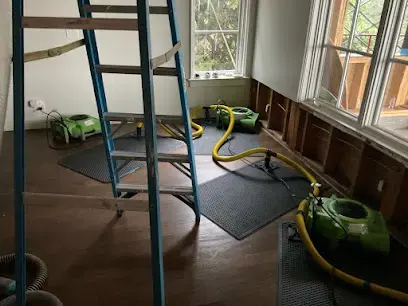
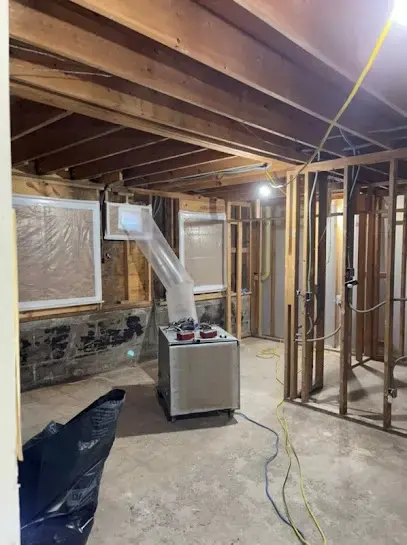
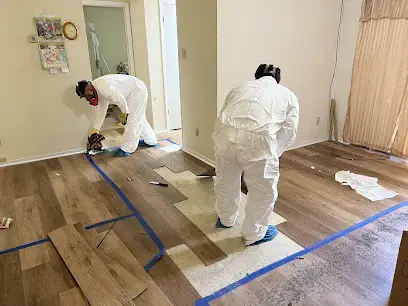
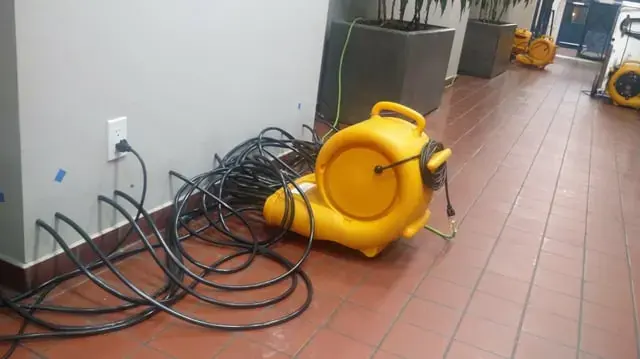
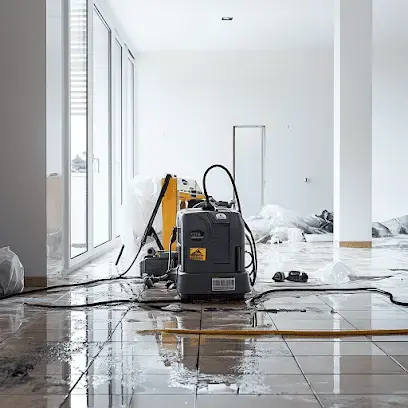
See sewage backup cleanupWhat a water damage dry-out looks like in Cedar Park
Representative photos of extraction and drying work.

Documentation for your insurance claim
A water claim is decided on the file, which usually carries:
- Timestamped photos taken before any demolition
- A moisture map from the first walkthrough
- Daily moisture readings and psychrometric drying logs
- The category and class of the loss
- A line-item scope in the format adjusters expect
Sudden and accidental water, like a burst supply line, is usually handled differently from rising flood water, which falls under flood coverage. Coverage depends on your policy, so it is worth checking with your own insurer.
Why Cedar Park homeowners call a restoration pro first
Rapid local response
The Cedar Park restoration crew treats every active leak or flood as urgent, including nights, weekends and holidays.
IICRC S500 drying standard
The drying team works to a measured drying goal and leaves equipment running until the readings say dry, not until the floor looks dry.
Claim-ready documentation
Photos, the moisture map and daily logs go into one file, so the adjuster sees the category, the class and the work.
Hill Country water experts
Slab foundations over limestone, attic equipment and Brushy Creek cloudbursts all change how water moves through a Cedar Park house.
What to do while the water is still moving
- Shut off the water at the main valve or the meter box.
- Turn off breakers for wet rooms if the panel is dry and safe to reach.
- Stay out of standing water near outlets and appliances.
- Photograph the damage, then lift rugs and furniture off wet floors.
- Call. Drying that starts inside 24 to 48 hours saves more of the house.
From Buttercup Creek to Brushy Creek and the 183A corridor
The Cedar Park restoration crew works every street in 78613 and 78630, plus the towns around it, 24/7.
ZIP codes covered
78613 and 78630 are Cedar Park proper. The surrounding ZIPs cover Leander, Brushy Creek, Anderson Mill and Four Points.
North Cedar Park and the 183A corridor
- Twin Creeks
- Silverado West
- Carriage Hills
- Cedar Park Town Center
Buttercup Creek and the Whitestone side
- Buttercup Creek
- Cypress Creek
- Lakeline
South Cedar Park and Brushy Creek
- Anderson Mill West
- Ranch at Brushy Creek
- Brushy Creek
Nearby Williamson and Travis County
- Leander
- Round Rock
- Jollyville
- Anderson Mill
- Four Points
- northwest Austin
- Liberty Hill
Cedar Park water damage pros, one call away 24/7
The restoration team asks where the water is coming from and which rooms are wet, because that decides the equipment on the first visit.
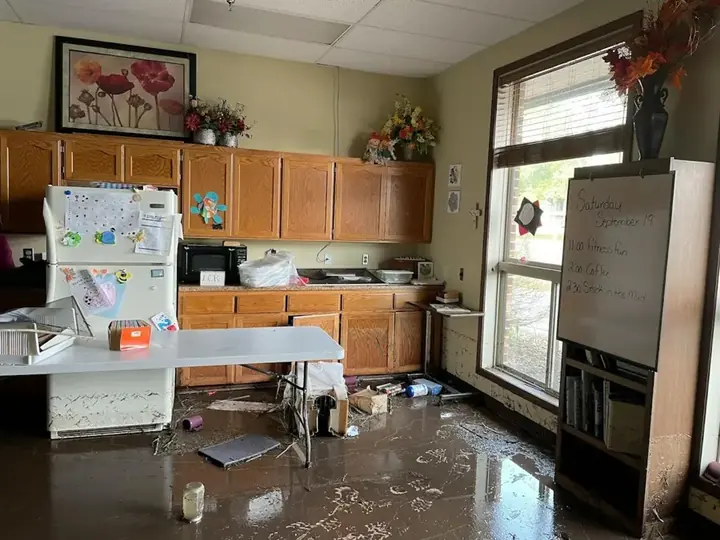
Water damage in Cedar Park, TX: the local risk profile
On the eastern edge of the Hill Country, limestone, slabs and Central Texas storms decide how water gets in.
- Slab-on-grade homes from the 1980s to 2000s, with supply lines under the slab and some original polybutylene pipe.
- Flash Flood Alley storms that push Brushy Creek, Buttercup Creek and Cluck Creek runoff toward slab edges.
- Attic air handlers and water heaters that overflow into ceilings through long, hot summers.
- Hard freezes, like the February 2021 winter storm, that split attic and exterior-wall pipes.
Cedar Park water damage questions, answered
How quickly can a restoration crew start on water damage in Cedar Park?
The Cedar Park restoration crew answers 24/7 and treats an active leak, flood or sewage backup as urgent. Mitigation usually starts on the first visit: stop the source, map the moisture and pull standing water, inside the 24 to 48 hour window before swelling and mold set in.
Is water damage covered by homeowners insurance in Texas?
Sudden and accidental water, such as a burst supply line or a failed water heater, is often covered after the deductible. Flash flood water usually needs separate flood coverage, and slow long-term leaks are often excluded. Coverage depends on your policy, so it is worth checking with your own insurer.
What causes most water damage in Cedar Park homes?
Slab leaks, attic AC pans that overflow into ceilings, attic and garage water heaters, appliance hoses, and Brushy Creek runoff during cloudbursts. Hard freezes add burst attic pipes every few winters.
How can I tell if I have a slab leak?
Watch for a warm spot on the floor, damp carpet with no spill, a meter that moves with every fixture off, or a rising water bill. Thermal imaging and meters confirm it, and a plumber repairs or reroutes the line.
How long does it take to dry a wet house?
A contained Class 1 or Class 2 loss, one or two rooms with drywall and carpet, usually dries in three to five days. Hardwood, cabinets, plaster and slab-level water take longer because the moisture has to move through dense material. Equipment comes out when readings reach the drying goal, not on a set date.
What is the IICRC S500 standard?
IICRC S500 is the industry standard for water damage restoration. It sets how water is classified by category and class, how drying equipment is sized, and how dryness is verified against a dry reference material.
What should I do first while the water is still spreading?
Shut off the water at the main valve or the meter box, turn off breakers for wet rooms if the panel is dry and safe to reach, and stay out of standing water near outlets. Photograph the damage before moving anything, lift rugs and small furniture off wet floors, and then call so extraction can start.
Does wet drywall always have to come out?
Not always. Drywall wet with clean water and caught early can often be dried in place. Drywall that swelled, lost strength or touched Category 3 flood or sewage water is cut out above the water line.
Why is flash flood water treated differently from a pipe leak?
Runoff carries soil, bacteria and chemicals, so it is Category 3 once inside. Carpet, pad, insulation and lower drywall it touched get removed, under containment with HEPA air scrubbers and an EPA-registered antimicrobial.
Water in a Cedar Park home? Start the dry-out now.
Water that reaches the slab and the bottom plates is the hardest part of a house to dry. The drying team extracts first, sets equipment to the load and keeps it running until the meters agree.